FTSE Rebounds on Mining Surge as Sub-$97 Crude and Softening Yields Ease Pressure
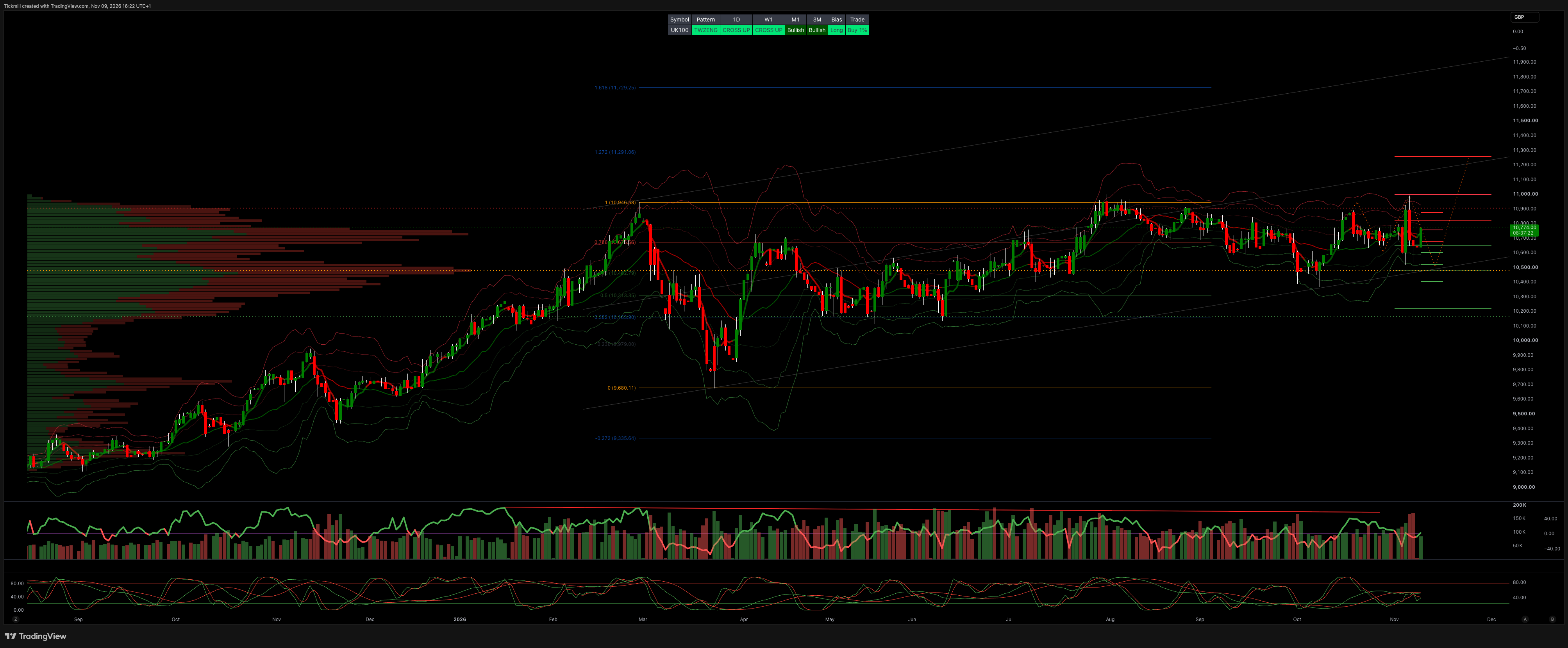
FTSE Rebounds on Mining Surge as Sub-$97 Crude and Softening Yields Ease Pressure
London's benchmark FTSE 100 opened the trading week on the front foot, climbing 84.82 points or 0.79% to reach 10,758.76 by late morning. Broad risk appetite was buoyed by a sharp decline in crude oil prices, softening sovereign bond yields, and an aggressive rally across precious and industrial metal miners. The easing of energy-led inflation fears provided welcome relief following last week's volatile sell-off and the Bank of England's rate hike to 4.00%.
Natural resource producers led top-flight gainers, with precious metal miners jumping 3.4% as spot gold added 0.7% amid cooling crude pressures. Top performers Endeavour Mining, Antofagasta, Anglo American Plc, and Fresnillo surged between 3.3% and 4.0%, while diversified peers Glencore and Rio Tinto gained 2.7% and 2.0%, respectively. Defense contractor Babcock International climbed 2.7%, while airline operator IAG advanced 2.5% as lower jet-fuel costs improved margin outlooks. Broad buying interest between 1.3% and 2.4% lifted Prudential, Halma, Metlen Energy & Metals, AstraZeneca, Games Workshop, BAE Systems, Diploma, Lion Finance, Airtel Africa, Balfour Beatty, AutoTrader Group, and Investec. Pharma giant GSK rose 1.0% after announcing a settlement in patent litigation with Moderna over Spikevax, mNEXSPIKE, and RSV vaccine mResvia, concluding infringement disputes.
Conversely, homebuilders, retail landlords, and energy counters faced distinct headwinds. The household goods index was the session's worst-performing group, sliding 1.1% as Barratt Redrow and Persimmon lost about 1.5% each, weighed down by higher borrowing costs and weak house price prints. Slipping crude benchmarks kept energy heavyweight Shell in the red, while modest pullbacks between 0.5% and 1.1% were recorded across Tesco, Burberry Group, London Stock Exchange Group (LSEG), Polar Capital Technology Trust, Segro, and Unilever.
Macro sentiment drew a strong bid from cooling energy markets. Front-month Brent crude futures fell more than 1% to touch a low of $96.11 a barrel before stabilizing near $96.98 (down 1.4% on the day). The slump followed remarks from U.S. President Donald Trump indicating renewed military strikes on Iran were "highly unlikely" as diplomatic negotiations continue, although persistent skirmishes near the Strait of Hormuz kept a baseline of geopolitical caution in play.
On the domestic data and policy front, a survey of U.K. recruiters released Monday revealed that hiring activity cooled in October, though starting salaries for permanent roles expanded at an accelerating pace. Following the BoE's 25-basis-point increase to 4.00% last Thursday, terminal pricing continues to price in at least two additional quarter-point hikes in 2027 should Middle East tensions rekindle inflation. Looking across the week, U.K. data releases feature BRC like-for-like retail sales on Tuesday, followed by a heavy slate on Thursday including the RICS residential survey, monthly industrial production, trade balances, and the preliminary Q3 GDP growth figures.
Finish Line: U.K. equities made a strong start to the week as sub-$97 crude oil and lower Gilt yields provided a boost to mining, travel, and industrial blue chips. While housing and energy shares lagged, easing commodity cost pressures and steadying risk appetite helped the FTSE 100 comfortably reclaim the 10,750 level ahead of this week's decisive domestic GDP release and U.S. inflation data.
Disclaimer: The material provided is for information purposes only and should not be considered as investment advice. The views, information, or opinions expressed in the text belong solely to the author, and not to the author’s employer, organization, committee or other group or individual or company.
Past performance is not indicative of future results.
High Risk Warning: CFDs are complex instruments and come with a high risk of losing money rapidly due to leverage. 68% and 74% of retail investor accounts lose money when trading CFDs with Tickmill UK Ltd and Tickmill Europe Ltd respectively. You should consider whether you understand how CFDs work and whether you can afford to take the high risk of losing your money.
Futures and Options: Trading futures and options on margin carries a high degree of risk and may result in losses exceeding your initial investment. These products are not suitable for all investors. Ensure you fully understand the risks and take appropriate care to manage your risk.
Patrick has been involved in the financial markets for well over a decade as a self-educated professional trader and money manager. Flitting between the roles of market commentator, analyst and mentor, Patrick has improved the technical skills and psychological stance of literally hundreds of traders – coaching them to become savvy market operators!